Electric Vehicle Knowledge Center
Everything every EV owner should know.
The ultimate companion to learn, maintain, protect, and understand your electric vehicle. Stop searching. Start driving.
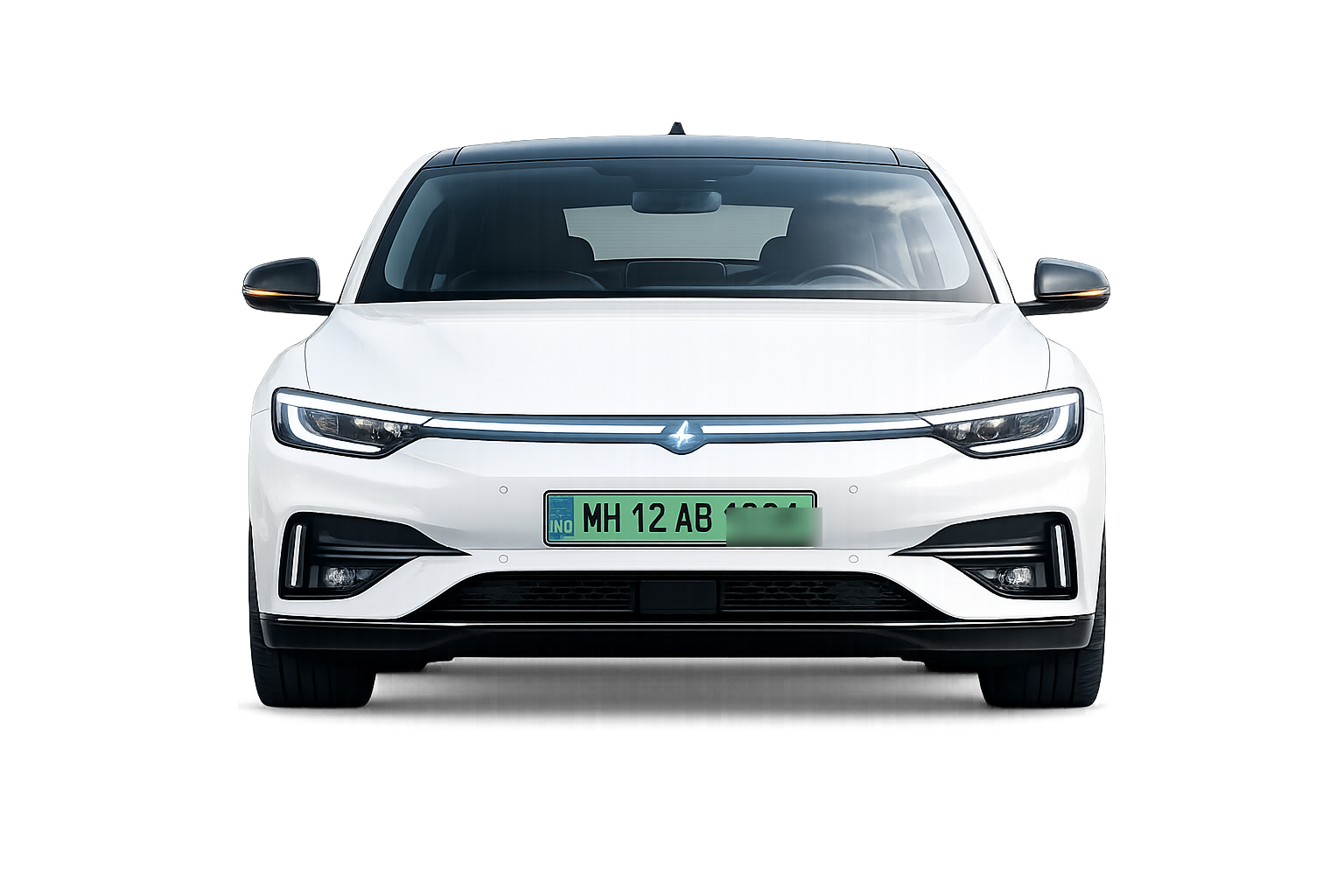
Battery Health
98%
Est. Range
420 km
EV Intelligence Dashboard
A quick overview of your electric vehicle's vital statistics, health metrics, and performance indicators.
Standard
Battery Tech
LFP (Lithium Iron)
Universal
Charging Type
CCS2 & Type 2
Optimal
Estimated Range
350 - 450 km
Excellent
Battery Health
98.5%
Highly Efficient
Charging Cost
₹1.2 / km
Eco-friendly
Carbon Savings
1.2 Tons / Yr
Active
Warranty
8 Yrs / 160k km
Up to Date
Software Version
v2024.12.3
Interactive EV Anatomy
Click on the hotspots to understand the critical components that power your electric vehicle.

Battery Pack
The heart of the EV. Stores electrical energy to power the motor and accessories. Usually placed on the floor to maintain a low center of gravity.
How It Works
Follow the flow of energy from the charging cable to the wheels.
Grid / Charger
AC or DC power enters the vehicle.
Battery Management
Regulates voltage and temperature for safety.
Battery Pack
Stores energy chemically as Direct Current (DC).
Inverter
Converts DC to AC power for the motor.
Electric Motor
Uses electromagnetism to generate torque.
Wheels
Direct drive propels the vehicle forward.
Battery Technology
Understanding Your Battery
Not all batteries are created equal. Discover the chemistry that powers your EV and how it impacts your charging habits.
LFP (Lithium Iron Phosphate)
The standard for everyday reliability. Exceptionally safe, long-lasting, and can be charged to 100% daily without significant degradation.
Lifespan
3000+ Cycles
Thermal Safety
Excellent
Energy Density
Moderate
Popular in: Tata Nexon EV, BYD Atto 3, MG ZS EV
NMC (Nickel Manganese Cobalt)
The choice for performance and long range. Higher energy density means more range in a lighter package, but requires careful charging habits.
Lifespan
1500+ Cycles
Thermal Safety
Good
Energy Density
High
Popular in: Hyundai Ioniq 5, Kia EV6, Volvo XC40
Charging Experience
Different chargers for different needs. Understand charging speeds, costs, and best use cases.
Home AC Charging
Speed3.3 kW - 7.2 kW
Time8 - 12 Hours
Avg Cost₹8 - ₹10 / unit
Best ForOvernight charging, daily commute
SafetyUse dedicated 15A socket with proper earthing
Public Fast Charging (DC)
Speed30 kW - 60 kW
Time45 - 60 Mins (10-80%)
Avg Cost₹15 - ₹20 / unit
Best ForCity top-ups, short road trips
SafetyDo not disconnect forcefully during active session
Ultra-Fast DC Charging
Speed120 kW - 350 kW
Time15 - 30 Mins (10-80%)
Avg Cost₹20 - ₹25 / unit
Best ForHighway corridors, long-distance travel
SafetyLiquid-cooled cables handle extreme heat automatically
Charging Connectors Guide
DC Fast & AC Slow
CCS2 (Combined Charging System)
The standard for almost all modern EVs in India. Supports both AC home charging (top part) and DC fast charging (full plug).
Max SpeedUp to 350 kW
Compatible WithTata Nexon EV, Mahindra XUV400, Hyundai Ioniq 5
AC Slow / Fast
Type 2 (Mennekes)
The top half of the CCS2 plug. Used exclusively for AC charging via wallboxes or public AC poles.
Max SpeedUp to 22 kW
Compatible WithAll standard EVs
DC Fast
CHAdeMO
Older Japanese standard. Rapidly being phased out in favor of CCS2 globally and in India.
Max SpeedUp to 62 kW
Compatible WithNissan Leaf (Older models)
Battery Health Management
Preserve your range for years to come.
EV batteries degrade over time, but smart charging habits can drastically extend their lifespan and capacity.
The 20-80 Rule
Keep your daily state of charge between 20% and 80%. Only charge to 100% just before long road trips.
Avoid Extreme Heat
Park in the shade whenever possible. High ambient temperatures combined with high state of charge accelerate degradation.
Limit DC Fast Charging
Fast charging generates significant heat. Use AC slow charging for daily needs and save DC fast charging for highway travel.
State of Health
98%
Optimal Condition
Driving Range Intelligence
Unlike petrol cars, EV range is highly sensitive to speed, AC usage, and weather. See how different factors impact your real-world range.
80 km/h
EVs are more efficient in city traffic than on highways.
25°C
Heating uses more energy than cooling.
2
Real-World Range Estimate
355 km
ARAI Base: 400 kmLoss: 45 km
Charging Safety Checklist
Always use the portable charger provided by the manufacturer. Cheap third-party chargers may bypass critical safety protocols, risking battery damage or fire.
EV chargers draw high continuous current (usually 15A). Your wall socket MUST have proper earthing. Lack of earthing can cause electric shock and damage the vehicles onboard charger.
While EV charging ports and guns are IP67 waterproof, avoid charging if the pins are visibly wet, submerged in water, or covered in mud.
Never use standard household extension cords for EV charging. They are not rated for continuous high current and can melt, catch fire, or cause voltage drops.
Advanced Driving Dynamics
EVs drive differently than petrol cars. Instant torque, heavy weight, and regen braking require a small adjustment in driving habits.
Monsoon & Flood Driving
EV battery packs are IP67 rated (waterproof up to 1 meter for 30 mins). However, never drive through water deeper than the center of your wheels. Water force can damage seals or float the vehicle.
Night & Highway Driving
High speeds reduce EV range drastically due to aerodynamic drag. Stay between 80-90 km/h for optimal highway efficiency. Avoid relying entirely on regenerative braking at high speeds.
Mountain & Hill Climbs
Uphill driving consumes immense power. Ensure you have at least 50% extra range buffer before climbing. Use max regenerative braking on the way down to recover up to 20% of used energy.
Regenerative Braking
Use level 3 (max) regen in stop-and-go city traffic for one-pedal driving and maximum efficiency. Reduce regen on wet or slippery roads to prevent sudden traction loss.